- 29 Oct, 2026
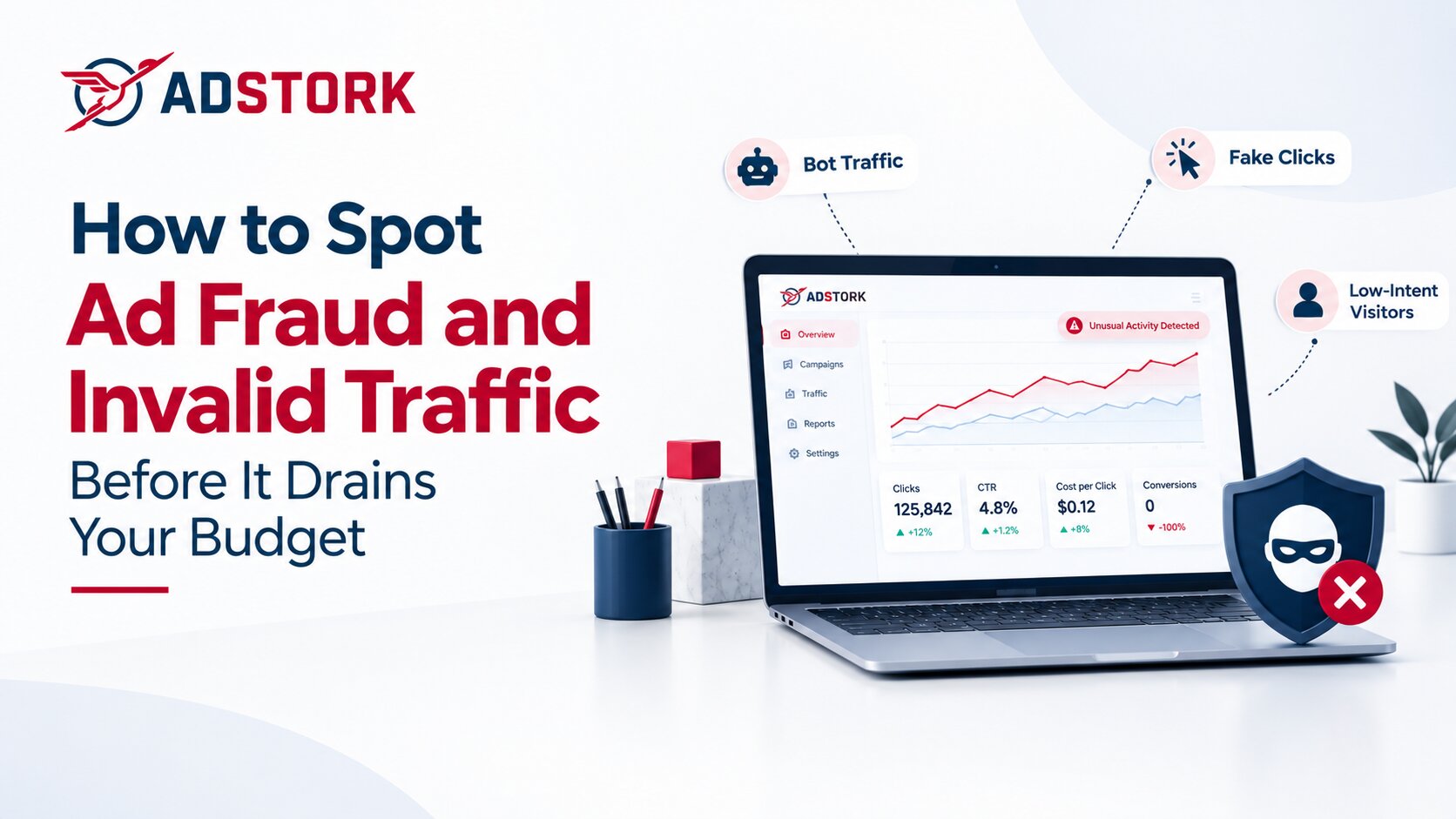
How to Spot Ad Fraud and Invalid Traffic Before It Drains Your Budget
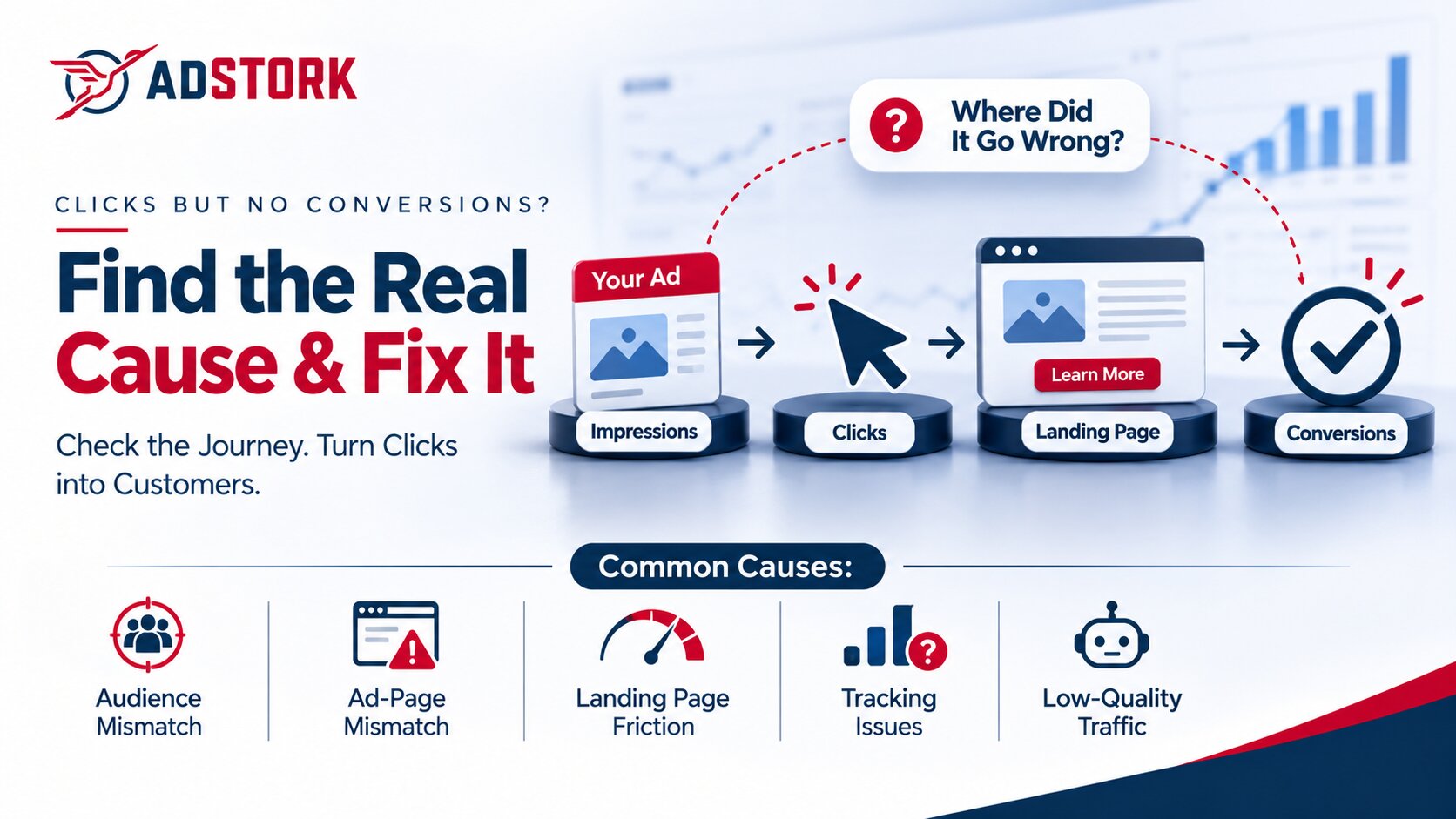
A campaign posts a great click-through rate, the cost per click looks cheap, and the report is full of activity. Then the sales never arrive. Many advertisers blame the offer and rewrite the ad, when the real problem is that part of the traffic was never a person with any interest in buying.
Invalid traffic cannot be removed from the internet, but it can be spotted early and kept small. The advertisers who do this treat it as a routine check, not a crisis.
In short: Invalid traffic is any ad activity that does not come from a real person with genuine interest, such as bots, accidental clicks, or fake visits. Advertisers can spot it by watching for unusual patterns in clicks, engagement, and conversions by segment, then cutting the sources that show them and choosing partners that screen traffic.
Key Takeaways
- Fraud rarely looks like a failure. It often looks like great clicks that lead nowhere.
- One warning sign proves little. Several together in the same segment are the signal.
- Segment reporting by country, device, format, and placement is your best detection tool.
- Small test budgets and quick cuts limit the damage while you learn.
What Does Invalid Traffic Look Like in a Campaign?
Invalid traffic comes in a few forms. Some of it is deliberate, such as bots built to fake clicks. Some is accidental, such as a visitor who taps an ad by mistake. Both cost you money without a chance of conversion, so the practical response is the same.
Bot Traffic
Automated programs that load pages or click ads. They never read, never buy, and often behave in strangely uniform ways.
Accidental Clicks
Real people tapping an ad by mistake, often because it sits too close to content or buttons. The visitor leaves within a second.
Low-Intent Traffic
Real visitors with no interest in the offer, such as people pushed to click for a reward or a mismatched audience. Not fraud, but just as unprofitable.
Which Red Flags Should You Watch For?
No single item below proves fraud, since honest campaigns have odd days too. Treat each as a reason to look closer, and act when several show up in the same segment.

Leave a Comment